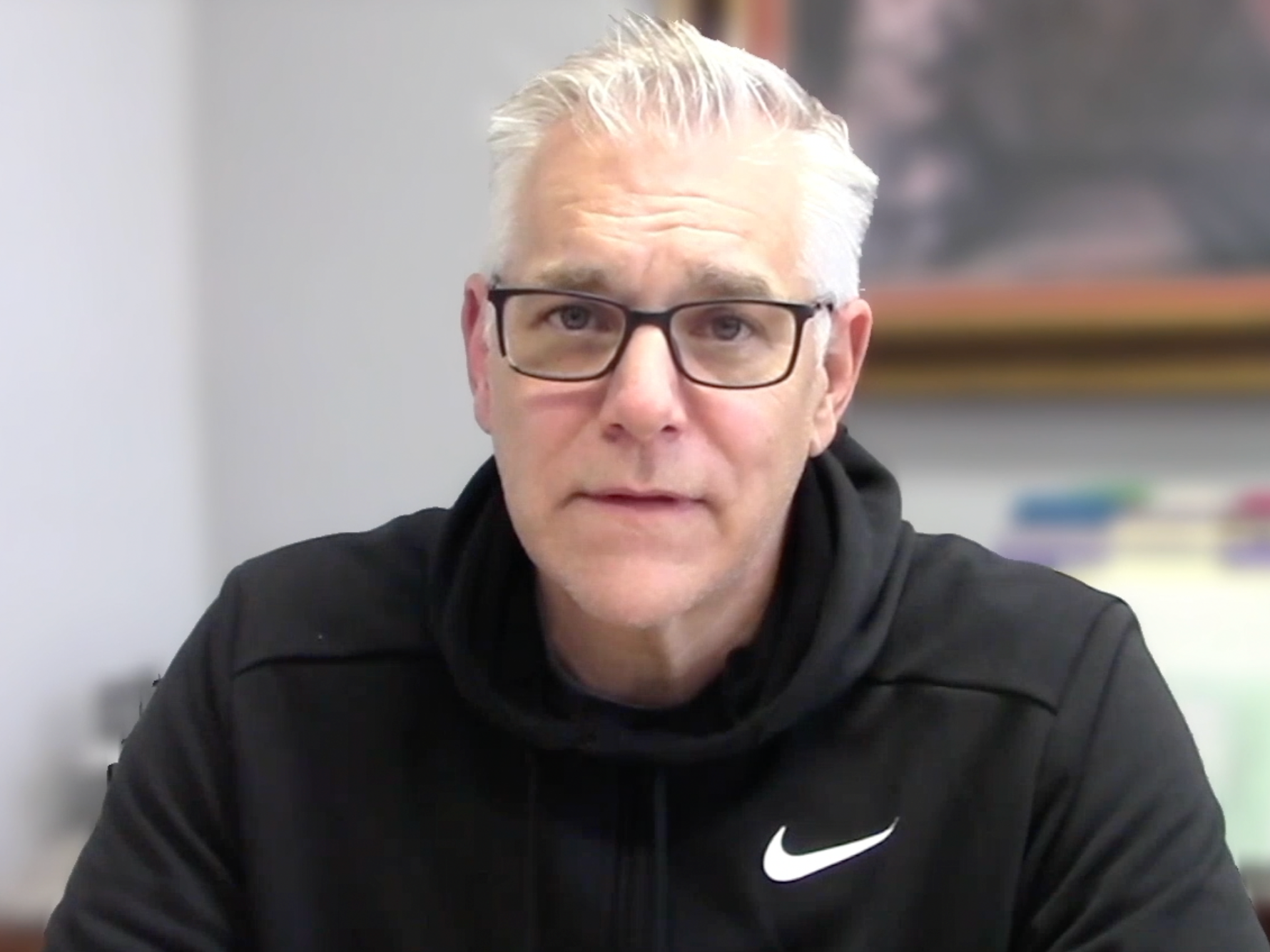
Jeffrey Streszoff writes about belief in the tensions—between certainty and doubt, conviction and humility, community and communion. He explores what becomes possible when we hold our deepest beliefs with open hands rather than clenched fists.
His work examines how we can believe passionately while admitting we might be wrong, commit deeply while remaining genuinely open to correction, and disagree profoundly while still respecting each other's integrity. From religious communities to humanist gatherings, Jeffrey challenges the certainty that divides us and invites us back to our shared humanity.
He believes the search itself is enough—and that genuine communion emerges not from shared answers, but from the courage to keep seeking together.
WRITER - THEOLOGICAL EXPLORER - SPEAKER
The Books
I write both secular and Christian books that explore these tensions from different angles, always returning to the same question: How do we hold deep convictions without clutching certainty?
The Certainty Trap: How Letting Go of Being Right Can Save Our Communities examines how we move from diversity to division to war. It traces the pattern that emerges when we confuse conviction with certainty, and offers a path back through epistemic humility and the courage to stand in the middle—even when both sides attack you for it.
This isn't about abandoning your beliefs. It's about recognizing that convictions can be held with open hands, while certainty demands clenched fists. It's about choosing the path that doesn't require an enemy to exist.
The Fourth Witness (a novel) follows Marcus Reed, a blind philosophy professor whose certainty costs him everything—his friendships, his integrity, and ultimately, a student's life. Through Marcus's painful journey from catastrophic failure back to epistemic humility, we explore what happens when philosophy becomes fundamentalism, and when the only path forward is through the wreckage of our certainty.
My Christian books explore these same tensions through the lens of faith—asking what happens when we hold our theology with humility rather than certainty, embrace doubt as part of discipleship, and recognize that God might be bigger than our ability to fully explain Him. These books wrestle with Scripture, tradition, and the messy reality of faith communities, always asking: How do we remain faithful without becoming fundamentalist?
The Speaking
I offer two primary presentations, both exploring the tensions between conviction and certainty, between standing for something and standing against someone:
Polemics: How We Wage War on Each Other traces how human diversity collapses into binary warfare. How fundamentalists on all sides build their armies by first attacking those closest to them, demanding purity, eliminating the middle ground. It explores the critical difference between holding convictions and clutching certainty—and why someone has to be willing to let go first.
What If We’re Wrong? examines the disagreement between Peter and James in the early church, the tension between certainty and humility in faith communities, and why embracing uncertainty might be the most courageous act of faith. It asks what becomes possible when we hold our theology with open hands instead of clenched fists.
Both talks invite the same reflection: Find one thing you're certain about. Ask yourself what it would take to change your mind. If the answer is "nothing," you've found your certainty. And that's where the work begins—not with them, but with you.
The Why
I write because I've watched certainty fracture communities, end friendships, and turn families into opposing camps. I've seen good people with genuine convictions forced to choose sides in a war where nobody wins. I've experienced the cost of clutching beliefs too tightly, and the freedom that comes when we learn to hold them with open hands.
This work is my attempt to create space for something different. Not by pretending all opinions are equal, but by recognizing that we can believe deeply and still listen. Not by abandoning conviction, but by distinguishing it from certainty. Not by choosing sides, but by standing in the tension where real communion becomes possible.
The search itself is enough. And maybe—just maybe—our shared humanity is found not in having the same answers, but in having the courage to keep seeking together.